
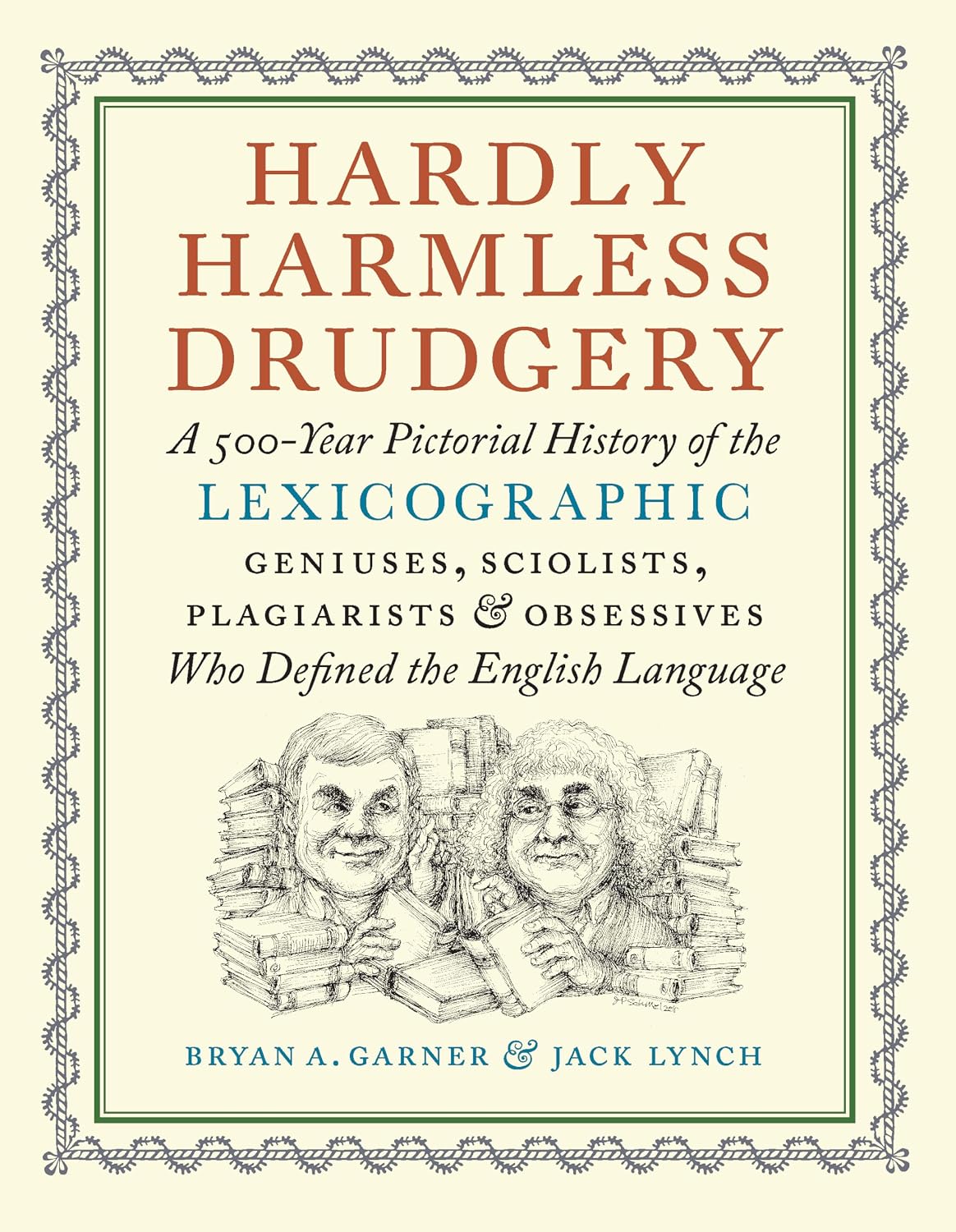
Hardly Harmless Drudgery: A 500-Year Pictorial History of the Lexicographic Geniuses, Sciolists, Plagiarists, and Obsessives Who Defined the English Language
Product details
| Management number | 236882497 | Release Date | 2026/07/10 | List Price | US$12.25 | Model Number | 236882497 | ||
|---|---|---|---|---|---|---|---|---|---|
| Category | |||||||||
“A delight”—BooklistA richly illustrated historical account of English-language dictionaries, and the people who made them, from the dawn of printing to the present day. Dictionaries are repositories of erudition, monuments to linguistic authority, and battlefields in cultural and political struggles. For centuries, they were also works of almost superhuman endurance, produced by people who devoted themselves for years, even decades, to the wearisome labor of corralling, recording, and defining the vocabulary of a language. Dictionaries also are often beautiful objects: typographically innovative, designed to project learning and authority. Painstakingly collected and lovingly presented, here are the stories behind great works of scholarship and the people who produced them—their prodigious endurance, their nationalist fervor, their philological elucubrations haphazardly mixed with crackpot theories, their petty rivalries, their need for sales, and their sometimes irrational conduct and visceral hatreds. Readers will find towering figures of English lexicography—Samuel Johnson, the American patriot Noah Webster, the Oxford English Dictionary’s James Murray—and many more obscure lexicographers whose achievements and biographies are no less fascinating. For one, meet Ann Fisher, England’s first female lexicographer, whose dictionary in 1773 introduced the radical innovation of alphabetically separating the letter pairs I and J and U and V (reacting against her predecessors who had “ever blended and confounded them”). The lesser-known works here include the small, unassuming 1604 book that is generally regarded as the “first English dictionary”; the early representatives of the “hard word” tradition as it evolves into attempts to cover the whole vocabulary; and the vast Century Dictionary—an American enterprise that rivaled the original OED. As the quest for completeness placed a dictionary beyond one author’s ability (or lifespan), editors and publishers adapted. For the OED, in 1918, J. R. R. Tolkien was hired to define select words beginning with W (and he tackled warm, wash, wasp, water, wick, and winter). Later in the 20th century, the Random House Dictionary of the English Language was marketed as relying not on famous literary figures or educators, but instead on computers for exactitude. However they may have been written and compiled, dictionaries induce us to ask about the basis of authority. Who gets to say what is an English word and what is not, what words mean, and how words should be used? The 19th century saw a craze for nonstandard, regional dialect, the collection of which led to crowdsourcing before that word had even been coined (the same basic method continues today with the Urban Dictionary website). In 1944, the first dictionary by a Black American (of slang “hepster jive”) appeared. The first gay dictionary emerged in the early 1970s, followed in the 1980s by the first dictionary for feminists and the first for hackers. Meanwhile, the form of dictionaries has changed—especially since 1995 and the start-up website Dictionary.com. Today, the future of the printed dictionary is in question, but the central relevance of dictionaries, whatever their format, to communication and culture endures. Hardly Harmless Drudgery is a long-overdue celebration of all those who toiled in service of language and meaning. It covers more than half a millennium, from the 15th century to the 21st, with biographical and bibliographical information, correspondence, and engrossing details never before published. Profusely illustrated with 750 photographs of books and ephemera, this is nothing less than a glorious celebration of words and the people who love them. Read more
| ISBN10 | 1567928072 |
|---|---|
| ISBN13 | 978-1567928075 |
| Language | English |
| Publisher | David R. Godine, Publisher |
| Dimensions | 7.5 x 1.5 x 9.25 inches |
| Item Weight | 3.6 pounds |
| Print length | 520 pages |
| Publication date | April 30, 2024 |
Bestseller ranking
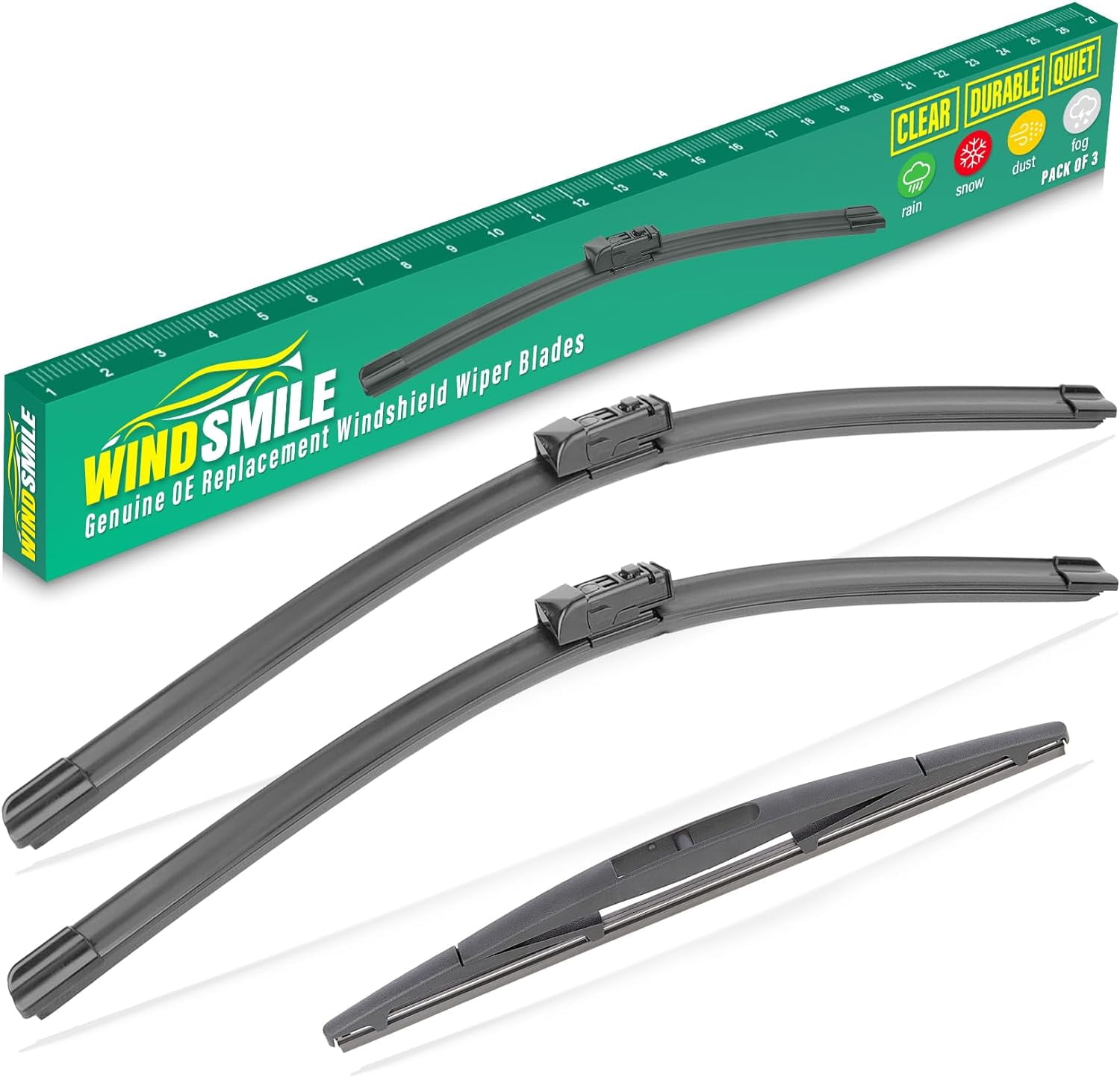
Subaru Outback Wiper Blades
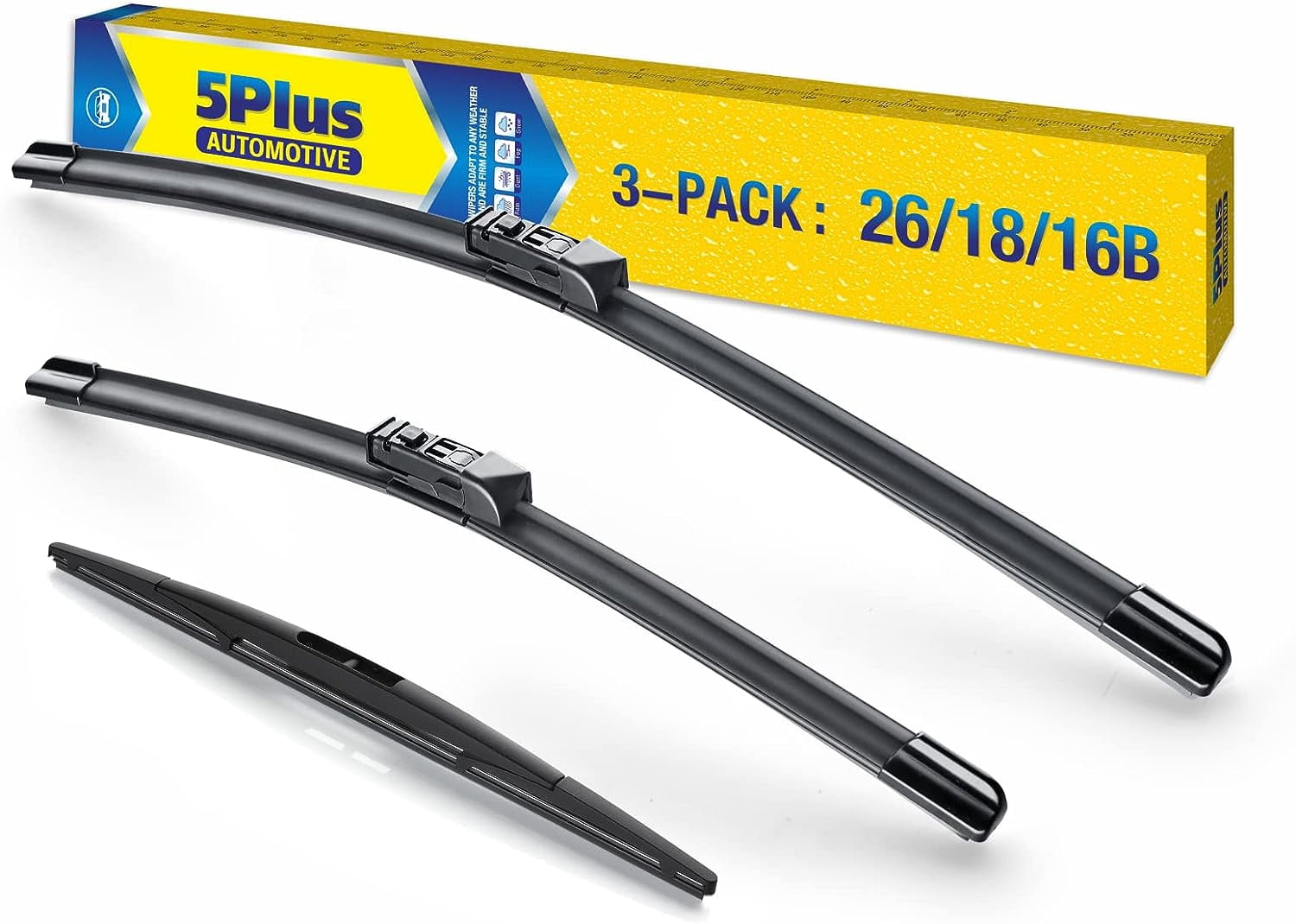
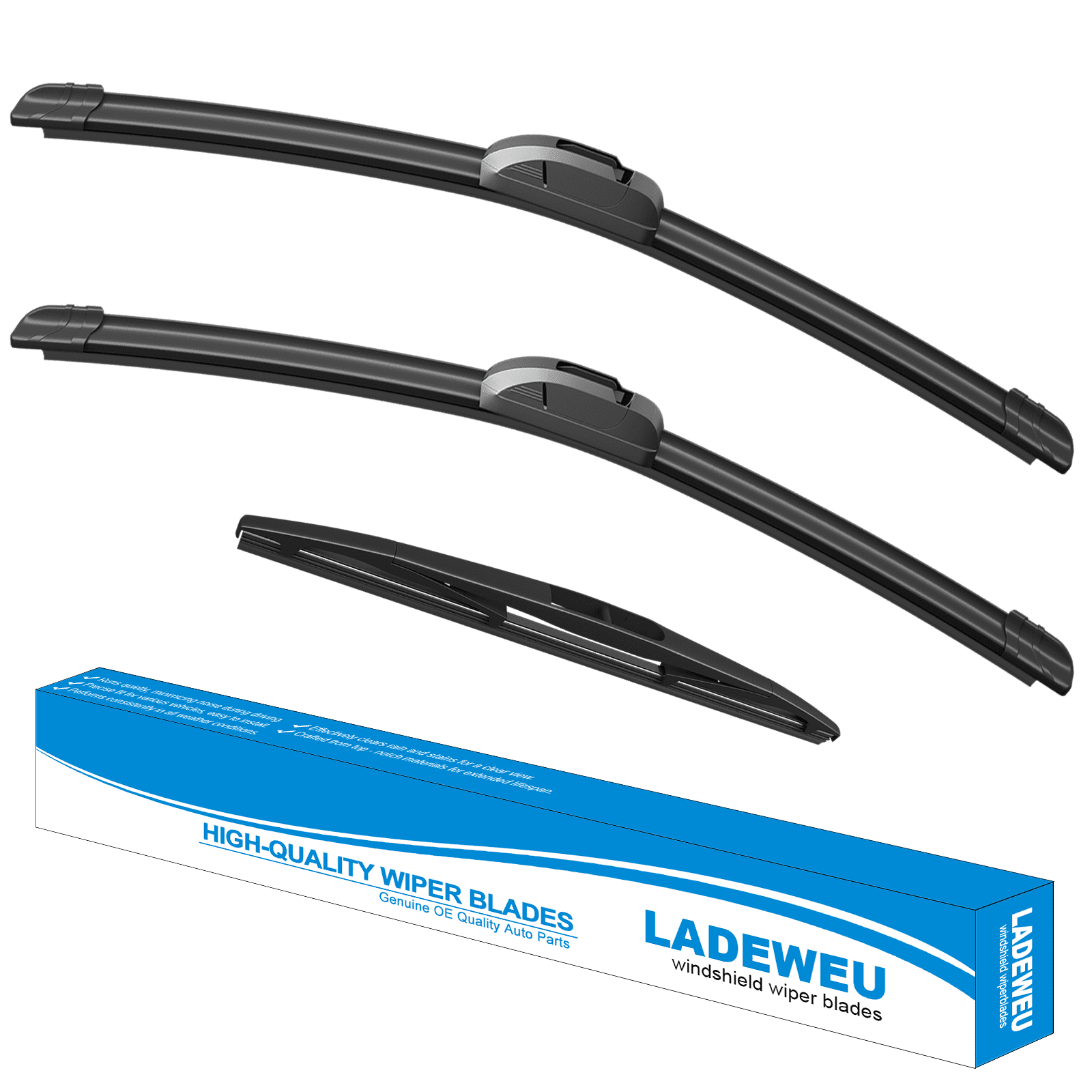
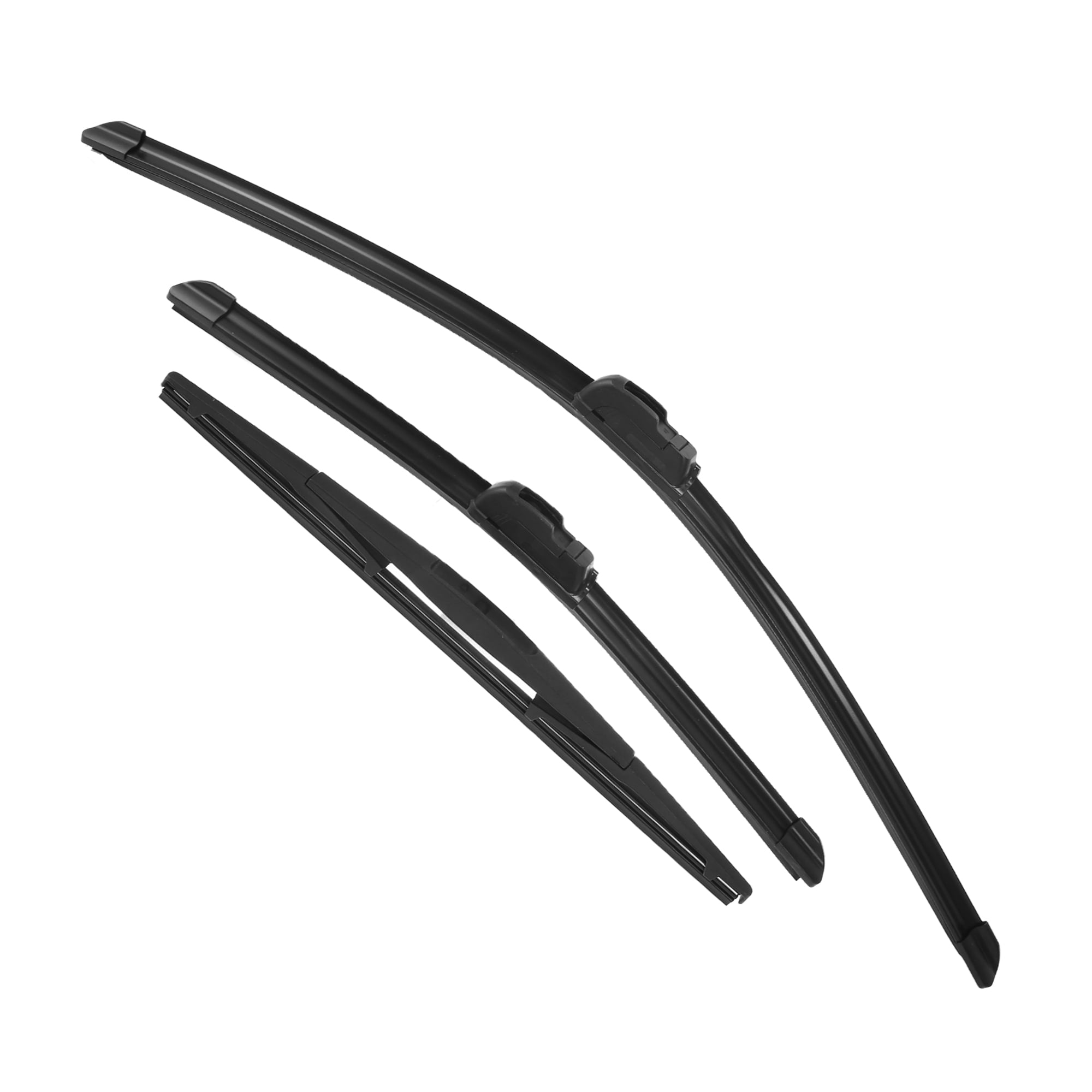
![PowerClear by PowerStop – PCK-2617-1 - Front 26" + 17" Windshield Wiper Blade Set, J-Hook Type For Honda CR-V, Subaru Outback, Subaru Forester, Nissan Rogue, Nissan Altima [Model Specific]](https://i5.walmartimages.com/seo/PowerClear-PowerStop-PCK-2617-1-Front-26-17-Windshield-Wiper-Blade-Set-J-Hook-Type-Honda-CR-V-Subaru-Outback-Subaru-Forester-Nissan-Rogue-Nissan-Alti_659cf429-9f5b-44bd-9d64-434f4086fcde.44d037bfa9049e47e9cef10d17a29468.jpeg)
Customers who viewed this product also viewed
Dictionaries


Correction of product information
If you notice any omissions or errors in the product information on this page, please use the correction request form below.
Correction Request Form